Event Performances
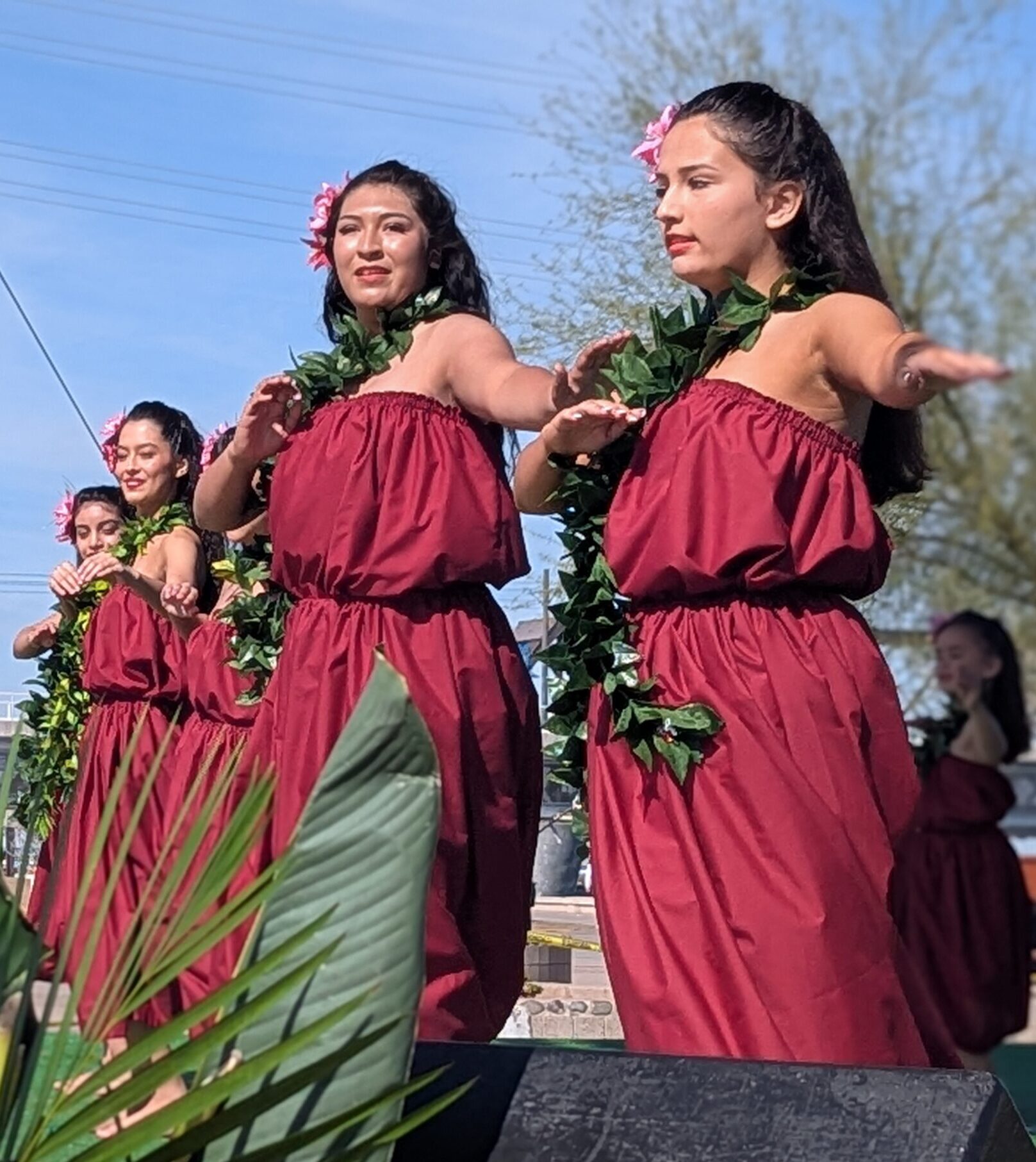
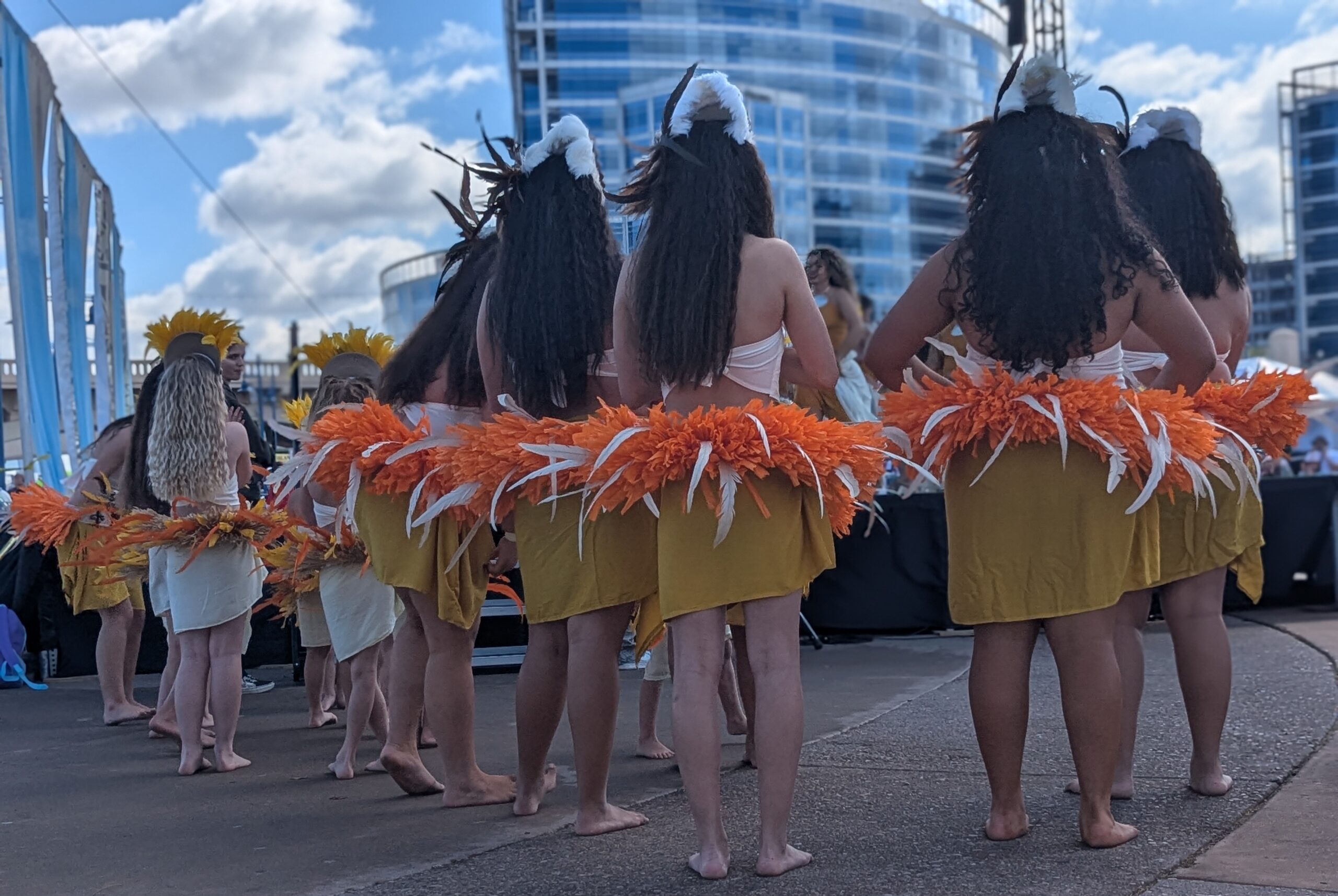
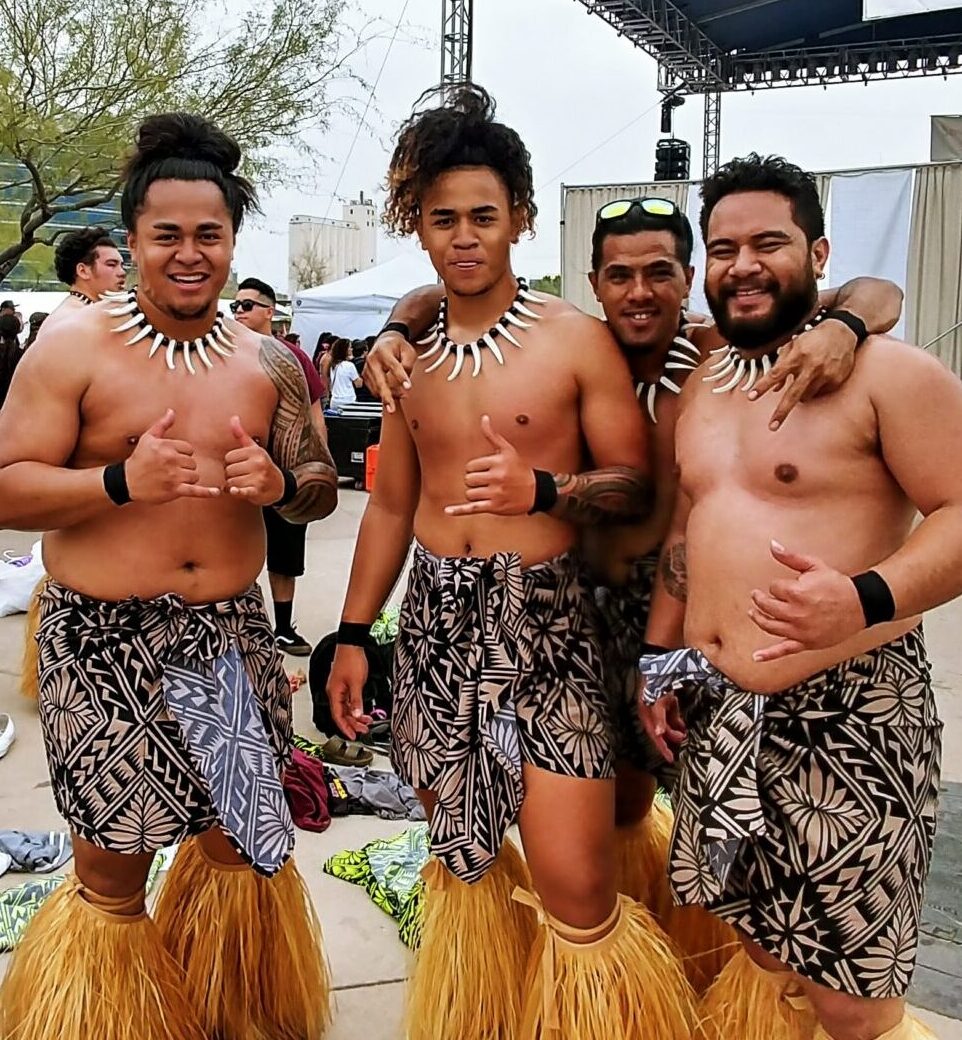
We have two stages full of performances both days of our annual event. Visit the Mountain stage or Lakeside stage to experience rhythm, music, song, dance, and cultural demonstrations from the rich cultures of the South Pacific Islands.
Interested in performing at our next event?
Applications will be available in the fall.
Explore More
Hawai’i
Hula kahiko, meaning ancient dances, is practiced with chants and percussion such as drums. Hula ‘auana, meaning wandering dances, is set to contemporary music or accompanied by an ‘ukulele or other instruments. How the dance is performed is described as well, such as hula ku for dances performed standing, hula noho for dances performed in a seated or kneeling position with dancers providing vocal accompaniment. ‘Oli, or chant unaccompanied by dance, and mele, songs or chants that accompany dances, are woven into hula and mo’olelo. Haumana, or students, are part of a hālau hula, where hula instruction takes place, often by a kumu hula.
Samoa
Siva Sāmoa tells the story of the ancestors through deliberate, refined grace with subtle hand and arm gestures. The different styles of siva Sāmoa occupies a specific role in ceremony and community life. The taualuga is the most sacred of all Samoan dances, signifying completion and is the finale of major celebrations. Traditionally danced by the taupou or the manaia, the dancer wears the ceremonial headdress called the tuiga. This dance slowly builds with the dancer’s family entering the circle and honoring her. The fa’ataupati, or slap dance, in contrast to the taualuga’s grace, is thunderous, physical, and disciplined. Dancers use their own bodies as percussion instruments, slapping chest, thighs, and shoulders in complex synchronized patterns. This dance expresses Sāmoa values of strength, unity, and discipline.The sasa is precisely performed by large, often seated, groups using only hand and upper body movements. The word sasa means to strike or beat, which is incorporated into the dance through rapid, synchronized claps and strikes. Telling stories from everyday life, the sasa is a powerful symbol of community cooperation.
Tonga
Lakalaka is a group dance performed while standing in formation and still, and with precise arm movements and gestures accompanied by sung stories and praise. The choreography is intricate and deliberate, each gesture conveying intentional meaning. This dance expresses Tonga concepts of respect and communal identity, embodying ceremonial protocols and culture.
The tauʻolunga is a traditional dance of Tonga that showcases graceful and highly refined movements of the hands and arms, cultural storytelling, and refined artistry. The choreography consists of a series of prescribed hand gestures (haka) that correspond loosely to the imagery or story in the song, though in a very stylized manner. This dance is performed primarily by young women wearing teunga tau’olunga as the highlight of important celebrations.Tauʻolunga is known for elegant hand gestures, poise, and composed facial expression and head movement.
Māori
Once traditionally performed by men as a ritual when two groups first met, haka evolved into many styles, including the fierce wero (challenge) done for intimidation of their enemies.
The dance involves all parts of the body with eye rolling, movement like foot stamping or waving of arms or weapons, sticking out the tongue, and fierce facial expressions. Verbal challenges or loud chanting are made as well. Once for men only, women now embrace the haka. Indeed, the New Zealand men’s and women’s rugby teams are famous for their use of the haka as intimidation and to build energy before a game.
But another type of haka can be performed to honor someone, celebrate an accomplishment, or signify unity. The poi are used for telling a story by swinging them in intricate patterns in the women’s dances.
Tahiti
‘Ori Tahiti includes five main traditional forms: ‘ōte’a, ‘aparima, hivināu, pa’o’a and pāta’uta’u. Although they complement each other and are frequently performed together, every dance has its own rules, rhythms, and purpose.
The ‘ōte’a features fast, rhythmic hip movements done to the beat of tō’ere, or slit drums. The ‘aparima focuses on graceful precision with every gesture conveying significance. Hivināu is a joyful, circular dance. The dancers move in concentric circles that cross. Pa’o’a recalls the ancestral tradition of making tapa, a fabric made from beaten bark. For modern stage adaptations, musicians and singers slap their thighs to create the rhythm, while a solo dancer or pair of dancers move to the lively tempo of the tāmūrē. Lastly, the pāta’uta’u is fast and percussive, once used as a mnemonic tool to convey rhymes, evoke people or set the pace of a story.